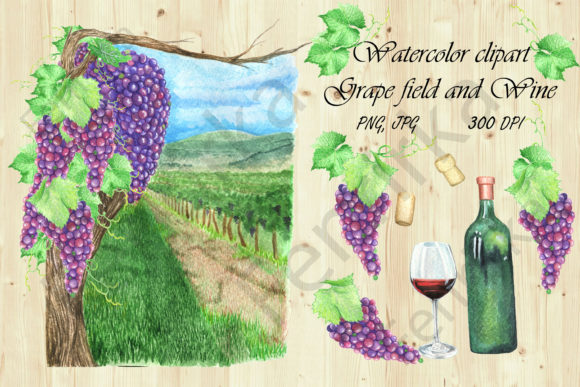
Watercolor Clipart Grape Field and Wine: A Practical Guide for Creators
The allure of vineyard aesthetics is undeniable. Whether you are designing packaging for a boutique winery, creating seasonal decor for a home goods store, or simply looking to add a touch of rustic elegance to your digital projects, the right imagery makes all the difference. Watercolor Clipart Grape Field and Wine offers a sophisticated blend of organic texture and artistic flair that rigid vector graphics often lack. However, many creators rush into downloading and implementing these assets without fully understanding the technical nuances, leading to frustrating results in print and digital media.
Understanding the specific qualities of high-resolution watercolor assets can save you time, money, and reputation. This guide addresses common pitfalls when working with grape and wine-themed clipart and provides actionable advice to ensure your final products meet professional standards.
The Resolution Trap: Why 4 Megapixels Matter
One of the most frequent mistakes beginners make is underestimating the importance of resolution. You might find a beautiful image of a grape cluster online, but if it is low resolution, it will look pixelated and amateurish when printed on a t-shirt or a mug. When evaluating Watercolor Clipart Grape Field and Wine, always check the pixel dimensions.
Professional-grade files should be at least 4 megapixels. This ensures that when you scale the image for larger formats, such as tote bags or posters, the delicate watercolor bleeds and brush strokes remain crisp rather than turning into blurry blobs. A common misconception is that screen resolution (72 DPI) is sufficient for all uses. This is false. For any physical product, you need 300 DPI (dots per inch). If you purchase or download files that are not optimized for 300 DPI, you will face costly reprints or unhappy customers.
Better Approach: Before committing to a design, open the file in your preferred software and zoom in to 100%. Check the edges of the grapes and wine glasses. They should be smooth and detailed, not jagged. Ensure the file specifications explicitly state 300 DPI for both JPEG and PNG formats.
Transparent Backgrounds vs. White Backgrounds
Another area where creators often stumble is the choice between file formats. A typical bundle of Watercolor Clipart Grape Field and Wine includes both PNG and JPEG files, but using them interchangeably can ruin your workflow.
- PNG Files: These come with transparent backgrounds. They are essential for layering. If you want to place a bunch of grapes over a wooden texture or a colored background, you must use the PNG version. Using a JPEG here would result in an unsightly white box around your image.
- JPEG Files: These have white backgrounds. They are ideal for quick inserts into documents, social media posts with white backgrounds, or when you specifically want a "framed" look.
A common error is trying to remove the white background from a JPEG using basic tools. This often results in halos or lost detail in the light areas of the watercolor. Instead, leverage the provided 8 PNG files with transparent backgrounds for complex compositions. Reserve the 8 JPEG files for straightforward applications where transparency is not required.
Color Accuracy and Printing Challenges
Watercolor art is defined by its subtle gradients and translucent layers. However, what looks vibrant on your calibrated monitor may look dull or muddy when printed. This is particularly true for deep purples and rich reds found in grape and wine imagery. Many entrepreneurs overlook the difference between RGB (screen color) and CMYK (print color).
If you are printing on products like t-shirts, pillows, or towels, the fabric absorption can alter the appearance of the ink. Light watercolor washes may disappear entirely on dark fabrics if not properly prepared. Conversely, using these images on skateboards or helmets requires high-contrast durability to ensure the design pops against the curved, often glossy surfaces.
Practical Advice: Always order a proof sample before running a large batch. If you are using the clipart for sublimation printing on mugs or polyester fabrics, increase the saturation slightly in Photoshop or Illustrator to compensate for ink absorption. For paper products like stationery or ornaments, ensure your printer supports high-quality photo printing to capture the nuance of the watercolor texture.
Versatility Beyond Digital Use
Many users limit their thinking to digital screens, forgetting the tactile potential of these assets. Watercolor Clipart Grape Field and Wine is not just for websites. It is a versatile resource for physical crafts and commercial products. Consider the following applications:
- Cut Ornaments: The clear outlines in high-resolution files make them suitable for cutting machines. You can cut these designs from wood, plastic, or heavy cardstock to create rustic wall art or wedding decorations.
- Coloring Activities: Because watercolor clipart often retains distinct line work beneath the color, you can desaturate the images in Photoshop to create coloring pages. This is a fantastic addition for educators or bloggers looking to engage their audience with interactive content.
- Logo Design: While you should not trademark raw clipart, you can use these elements as components in a larger logo design for a vineyard, restaurant, or food blog. Combine the grape clusters with typography in Illustrator to create a unique brand identity.
Legal and Ethical Usage
Perhaps the most critical oversight involves licensing. Just because you downloaded a file does not mean you own the copyright. Most clipart bundles allow for personal and commercial use, but there are often restrictions. For instance, you typically cannot resell the clipart files themselves as your own product. You must incorporate them into a new design, such as a printed mug or a digital invitation.
Always read the license agreement included with your Watercolor Clipart Grape Field and Wine package. If the terms are unclear, contact the creator directly. As noted in many professional listings, creators are usually happy to answer questions. Building a good relationship with asset providers can lead to better support and access to future collections.
Final Checklist Before You Design
To ensure you get the most out of your resources, run through this quick checklist before starting your project:
- Verify Resolution: Confirm files are 300 DPI and at least 4 megapixels.
- Choose the Right Format: Use PNGs for layering and JPEGs for simple placements.
- Test Print: Check colors on your specific material (fabric, paper, ceramic).
- Check Licensing: Ensure your intended use complies with the creator's terms.
- Backup Files: Keep original files untouched; work on copies to preserve quality.
By paying attention to these details, you transform simple digital files into professional-grade assets. Whether you are a hobbyist coloring for relaxation or a small business owner launching a new product line, treating your resources with care elevates the final outcome. Take the time to understand the tools at your disposal, and let the rich, organic beauty of watercolor grapes and wine enhance your creative vision.