Streamlining Creative Workflows with Art Supplies and Artist Palette Digital Assets
In the modern digital design landscape, efficiency is not merely a preference; it is a necessity. Whether you are a professional graphic designer, a small business owner managing your own branding, or a hobbyist exploring the world of crafting, the foundation of any successful project lies in the quality and accessibility of your resources. This is where comprehensive digital asset packs, specifically those focused on Art Supplies and the iconic Artist Palette, become indispensable tools. These are not just static images; they are functional components of a broader creative workflow that bridges the gap between conceptualization and final production.
Understanding how to integrate these digital files into your existing processes can significantly reduce preparation time, ensure consistency across projects, and elevate the professional quality of your output. By leveraging high-quality SVGs, PNGs, and other vector formats, creators can move seamlessly from idea to execution without the friction often associated with sourcing or creating basic design elements from scratch.
The Role of Digital Assets in Modern Design Processes
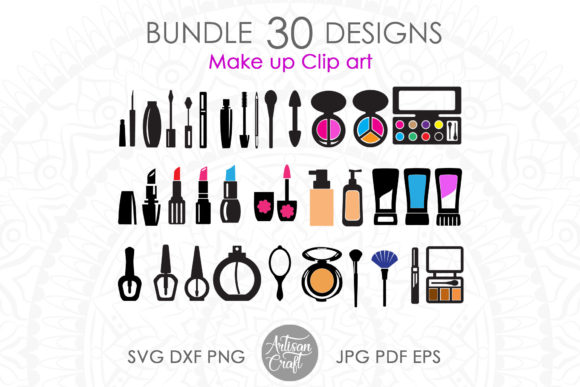
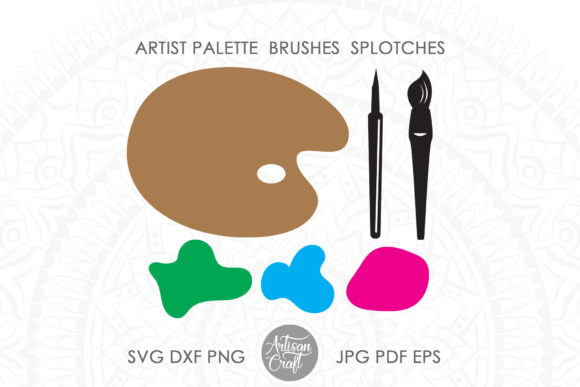
The term "Art Supplies" in a digital context refers to a curated collection of visual elements that mimic traditional artistic tools. This includes brushes, paint splotches, palettes, and other studio essentials. When these elements are provided as a DIGITAL DOWNLOAD, they transform from mere illustrations into versatile assets that can be manipulated, scaled, and repurposed across various mediums. The primary advantage here is immediacy and flexibility. Unlike physical supplies, which require procurement, storage, and maintenance, digital assets are available instantly after purchase, ready to be deployed in your next project.
For professionals and entrepreneurs, this immediacy supports rapid prototyping and iteration. When you are developing a brand identity or creating marketing materials, having access to high-resolution clipart and sublimation designs allows you to test different visual concepts quickly. You are not waiting for a sketch to be scanned or a photo to be edited; you are working with clean, crisp line work that is already optimized for digital and print use. This shifts the focus from asset creation to asset application, allowing you to concentrate on the strategic aspects of your design rather than the technical groundwork.
Technical Compatibility and File Format Versatility
A critical factor in the usability of any digital asset is its compatibility with your preferred software and hardware. A robust digital pack must cater to a diverse range of tools, from professional design suites to consumer-grade cutting machines. The inclusion of multiple file formats ensures that the artwork remains usable regardless of your specific workflow requirements.
- SVG (Scalable Vector Graphics): This is the cornerstone of modern cutting workflows. SVG files are ideal for use in Cricut Design Space, Silhouette Studio, and Adobe Illustrator. Because they are vector-based, they can be scaled to any size without losing quality, making them perfect for everything from small stickers to large vinyl decals.
- PNG (Portable Network Graphics): With a transparent background, PNGs are essential for sublimation design and digital stamping. They allow you to layer elements over other images or backgrounds without unwanted white boxes, providing seamless integration into complex compositions.
- JPG (Joint Photographic Experts Group): Often used for printable materials, JPGs with white backgrounds are straightforward and universally compatible. They are suitable for quick proofs, standard printing, and platforms that do not support transparency.
- DXF (Drawing Exchange Format): This format is crucial for users working with CAD software or older cutting machines that do not support SVG. It ensures that the geometric precision of the cut files is maintained across different technical environments.
- EPS (Encapsulated PostScript): Preferred by professional designers using Adobe Illustrator or Corel Draw, EPS files offer advanced editing capabilities, allowing for precise manipulation of anchor points and paths.
- PDF (Portable Document Format): Ideal for direct printing and sharing, PDFs preserve the layout and quality of the artwork, making them a reliable choice for documentation and hard-copy outputs.
By providing all these formats in a single Zip folder, the asset pack eliminates the need for conversion tools, which can often degrade image quality or introduce errors. This all-in-one approach streamlines the preparation phase, ensuring that you have the right file for the right job at any moment.
Integrating Art Supplies into Your Creative Workflow
The practical application of these digital assets extends beyond simple decoration. They serve as building blocks for a variety of projects, each requiring a different approach to implementation. Understanding where these files fit into your process can help you maximize their value.
Pre-Production and Planning
Before you begin a major design project, having a library of reliable art supplies can aid in mood boarding and concept development. You can quickly assemble mockups using the artist palette and brush elements to visualize the aesthetic direction. This stage is about exploration and decision-making. By using high-quality placeholders, you can present more polished concepts to clients or stakeholders, facilitating faster approval and reducing revision cycles.
Execution and Production
During the production phase, the resolution and quality of the files become paramount. With a resolution of 300 dpi and RGB color space, these assets are optimized for both screen display and high-quality printing. For those using laser cutting machines like Glowforge, the crisp line work of the SVG and DXF files ensures clean cuts and accurate engraving. For sublimation printers, the PNG files provide vibrant, bleed-free results on fabrics and hard goods. The key here is consistency; using assets from the same pack ensures that the stylistic elements remain coherent throughout the project.
Post-Production and Distribution
Once the design is complete, the versatility of the file formats supports various distribution channels. You can use the JPGs for social media previews, the PDFs for client deliverables, and the SVGs for creating physical merchandise. This multi-format availability simplifies the handoff process, whether you are sending files to a manufacturer or uploading them to an online store. It reduces the risk of technical issues arising from incompatible file types, ensuring a smooth transition from digital design to physical product.
Quality Control and Long-Term Usability
Investing in high-quality digital assets is a long-term strategy. The artwork by Artisan Craft SVG is designed with professional standards in mind, featuring high resolution and crisp line work. This attention to detail means that the files will remain relevant and usable as your skills and equipment evolve. Unlike lower-quality freebies that may pixelate when scaled or lack proper layering, these premium assets are built to withstand rigorous use.
Furthermore, the organization of the files plays a significant role in efficiency. Having all six variations of each format (SVG, DXF, PNG, EPS, PDF, JPG) neatly packaged allows for easy archiving and retrieval. As you build your personal library of resources, consistent naming conventions and structured folders save time in future projects. You are not just buying a single image; you are investing in a reusable component of your creative infrastructure.
Practical Tips for Implementation
To get the most out of your digital download, consider the following best practices:
- Unzip and Organize Immediately: Upon download, extract the Zip folder and organize the files by type. This makes it easier to locate the specific format you need during a project.
- Test Compatibility: Before starting a critical project, open a sample file in your chosen software (e.g., Cricut Design Space or Adobe Illustrator) to ensure it imports correctly and layers as expected.
- Leverage Transparency: When using PNGs for sublimation or digital compositing, always check the transparency settings to avoid unintended backgrounds.
- Scale Vector Files Appropriately: While SVGs are scalable, always check the aspect ratio and line thickness when resizing for large-format prints or cuts to maintain visual balance.
- Respect Licensing: Remember that these files are for personal and commercial use within the bounds of the license provided by Artisan Craft SVG. Always review the terms to ensure compliance, especially when selling finished products.
In conclusion, integrating high-quality digital art supplies and artist palette assets into your workflow is a strategic move that enhances productivity, ensures professional quality, and supports creative flexibility. By understanding the technical specifications and practical applications of these files, you can streamline your design process and focus on what truly matters: creating compelling, impactful work. Whether you are cutting vinyl, printing sublimation designs, or crafting digital illustrations, these assets provide the reliable foundation needed for success in today’s fast-paced creative environment.