Broken and Dirty Glass Textures: Elevating Design with Authentic Grit
In an era where digital perfection is the default, there is a growing counter-movement in visual design that champions imperfection. Audiences are increasingly drawn to aesthetics that feel tangible, lived-in, and raw. This shift has placed broken and dirty glass textures at the forefront of modern creative workflows. These assets are not merely decorative overlays; they are essential tools for designers seeking to inject character, depth, and narrative into their work. By breaking away from sterile, polished visuals, creators can establish a stronger emotional connection with their audience through the power of grunge and vintage effects.
The demand for authentic texture stems from a broader cultural fatigue with overly curated content. Whether in advertising, social media, or product design, consumers are looking for signs of humanity and reality. A pristine, flawless image often feels distant and commercial, whereas a design incorporating cracks, smudges, and weathering tells a story. It suggests history, resilience, and edge. This is why integrating high-quality distressed elements has become a standard practice for professionals aiming to stand out in saturated markets.
The Evolution of Grunge in Modern Visual Identity
The use of grunge aesthetics is not new, but its application has evolved significantly. In the late 1990s and early 2000s, grunge was often associated with chaotic, aggressive layouts. Today, it is more refined and strategic. Designers use these textures to create subtle contrasts, adding weight to typography or providing a tactile background for minimalist compositions. The key difference lies in the quality and versatility of the assets used. Modern projects require high-resolution resources that maintain clarity even when scaled or printed on large formats.
This evolution aligns with the rise of street culture influencing mainstream branding. Industries such as skateboarding, BMX, motocross, and surfing have long relied on visuals that reflect the rugged nature of their sports. As these subcultures merge with high fashion and lifestyle branding, the need for authentic dirty effect assets has expanded beyond niche markets. Clothing brands, for instance, use these textures to preview how graphics will look on worn fabrics, while music video producers utilize them to set a moody, atmospheric tone. The ability to seamlessly blend digital design with physical realism is now a critical skill for visual artists.
Why High-Resolution Textures Matter for Professional Workflows
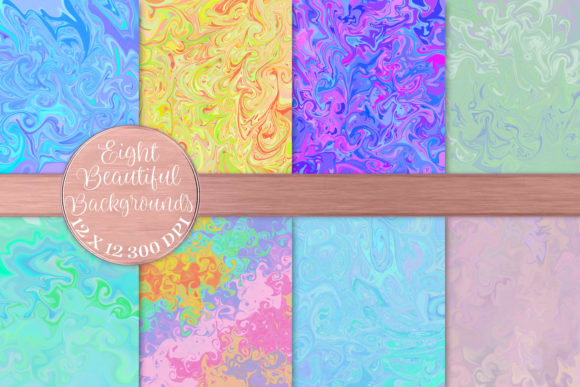
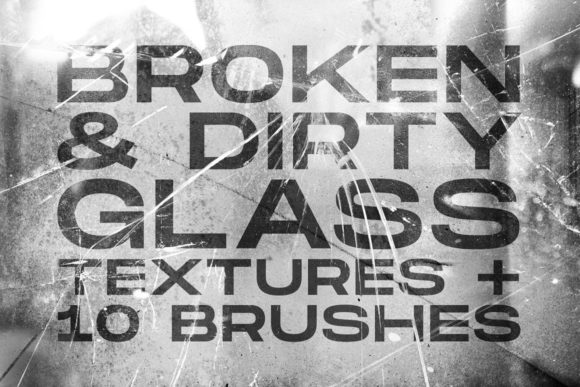
When selecting texture packs, resolution and detail are paramount. Low-quality images can pixelate when enlarged, ruining the professional finish of a project. A premium collection of broken and dirty glass textures should offer substantial dimensions, such as 5184 × 3456 pixels at 300 DPI. This level of detail ensures that every crack, shard, and smear is crisp and defined, allowing for extensive manipulation without loss of quality.
High DPI (dots per inch) is particularly crucial for print media. Whether you are designing flyers, posters, or merchandise, print requirements demand sharp, dense imagery. A 300 DPI texture ensures that the gritty details translate accurately onto paper, fabric, or other physical materials. For digital media, such as social media graphics or web banners, high-resolution source files provide the flexibility to crop and zoom without compromising visual integrity. This versatility makes such packs an invaluable investment for freelancers and agencies handling diverse client needs.
Versatility Across Industries and Media
The utility of a comprehensive texture pack extends far beyond a single style or industry. Consider the following applications where these assets can transform a standard design into a compelling visual statement:
- Clothing Brands and Merchandise: Streetwear labels often seek a vintage or worn-in look for their graphics. Applying broken glass overlays can simulate the effect of aged prints, adding perceived value and authenticity to t-shirts, hoodies, and caps.
- Sports and Action Media: Projects related to skateboarding, BMX, and motocross thrive on energy and rebellion. Dirty textures can enhance action shots, creating a sense of speed and impact that clean backgrounds cannot achieve.
- Music and Entertainment: Album covers, concert flyers, and music videos benefit from the moodiness of grunge effects. These textures help convey the tone of the music, whether it is raw rock, underground hip-hop, or electronic indie.
- Digital Marketing: In a feed full of bright, saturated images, a post featuring a subtle dirty glass effect can stop the scroll. It adds visual interest and distinguishes the brand as bold and unconventional.
Furthermore, these textures are not limited to static images. Video editors can use them as overlay layers to add depth to motion graphics, creating a cinematic feel that resonates with viewers accustomed to high-production-value content.
Enhancing Creativity with Integrated Brushes
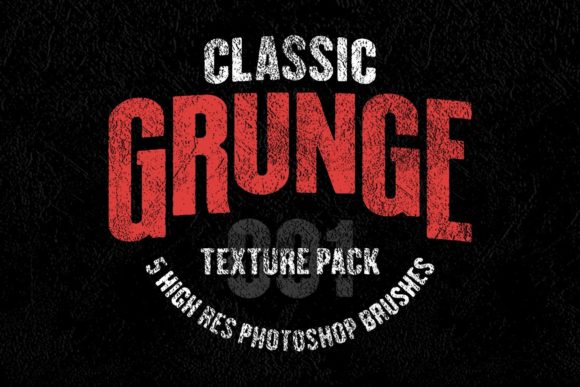
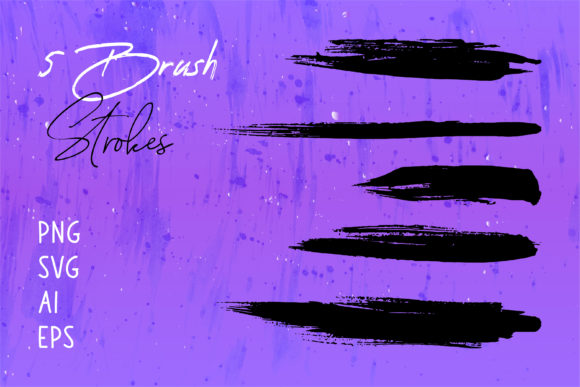
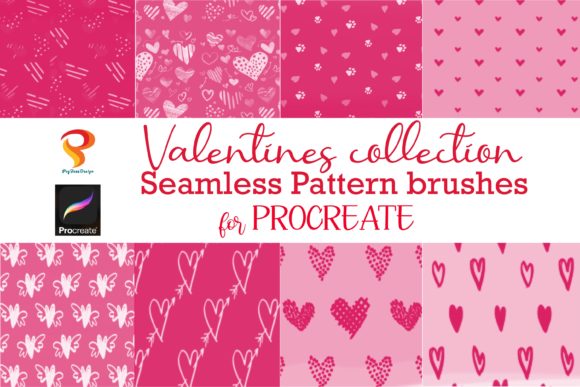
While static textures provide a foundation, the ability to customize and extend these effects is what truly empowers creators. A robust design pack should include more than just JPEG files; it should offer tools for active creation. Including 10 brushes for Procreate and Photoshop (.ABR and .BRUSHSET formats) bridges the gap between passive application and active design. These brushes allow artists to paint additional distress marks, smudges, or cracks directly onto their canvases, ensuring that each project remains unique.
The integration of brushes supports a non-destructive workflow. Designers can layer brush strokes over photos or vector graphics, adjusting opacity and blending modes to achieve the perfect balance. This flexibility is essential for maintaining creative control. For example, a designer might use a base texture for overall grit and then employ specific brushes to highlight areas of wear around logos or text. This combination of pre-made textures and customizable tools provides a comprehensive solution for achieving an amazing dirty effect without starting from scratch.
Practical Tips for Using Broken and Dirty Glass Textures
To maximize the potential of these assets, consider the following best practices:
- Experiment with Blending Modes: Do not simply place the texture on top of your design. Use blending modes such as Multiply, Overlay, or Screen to integrate the texture naturally with the underlying colors and shapes. This creates a cohesive look rather than a pasted-on effect.
- Layer Multiple Textures: As noted in the product description, every texture has great potential working alone, but combining them can yield exceptional results. Layering a cracked glass texture with a dusty or smudged overlay can create complex, realistic surfaces that mimic real-world decay.
- Focus on Composition: Use the textures to guide the viewer’s eye. Place heavier distress marks around focal points, such as headlines or central images, to draw attention. Conversely, keep areas intended for readability cleaner to ensure legibility.
- Maintain Brand Consistency: While grunge is versatile, it must align with the brand’s identity. For a luxury streetwear brand, subtle, refined textures may work best. For an extreme sports event, bold, aggressive cracks might be more appropriate. Always tailor the intensity of the effect to the target audience.
Breaking Style Barriers for Unique Design Outcomes
The phrase "break your style" encourages designers to step out of their comfort zones. Many creatives fall into repetitive patterns, relying on safe, clean aesthetics that fail to captivate. Incorporating broken and dirty glass textures challenges this norm. It invites experimentation with chaos and order, light and shadow, cleanliness and decay. This juxtaposition is where memorable design often resides.
Moreover, the availability of instructions and diverse file formats ensures that users of all skill levels can adopt these techniques. Whether you are a seasoned graphic designer or a hobbyist exploring Procreate for the first time, the inclusion of clear guidance lowers the barrier to entry. This democratization of high-quality design resources allows more voices to participate in the visual conversation, fostering a richer, more diverse creative landscape.
In conclusion, the integration of high-quality grunge and vintage effects is no longer just a trend; it is a fundamental aspect of contemporary visual communication. By utilizing a comprehensive pack of 75 broken and dirty glass textures along with specialized brushes, creators can produce work that is not only visually striking but also emotionally resonant. These tools provide the means to break through the noise of digital perfection, offering a pathway to designs that feel authentic, impactful, and uniquely human. As consumer preferences continue to shift towards realism and character, mastering these textures will remain a valuable asset for any creative professional.